What is a virtual kitchen? A guide to starting a virtual restaurant

A virtual kitchen lets a restaurant launch a second, delivery-only brand without renting a new space, hiring a new team, or buying new equipment. For an independent restaurant owner already on a delivery app, it's one of the lowest-cost ways to test a new cuisine, fill quiet shifts, or reach customers who would never order your main menu.
The concept is simple but easy to confuse with ghost kitchens and cloud kitchens. The guide below explains what a virtual kitchen is, how the virtual restaurant model works, and what to consider before you start one in Germany.
What is a virtual kitchen?
A virtual kitchen is a delivery-only restaurant brand that operates from an existing kitchen, using the same staff, equipment, and ingredients as the main restaurant. Customers find the virtual brand only on delivery apps and online ordering channels. There's no dine-in space and no separate storefront.
A virtual restaurant is the brand customers see when they order. The kitchen behind it is the one already running your main concept. One physical kitchen can host one virtual brand, or several, depending on capacity and cuisine fit.
For more on how delivery-app discovery works for independent restaurants, see our guide to fast delivery as a strategic advantage.
Virtual kitchen vs ghost kitchen vs cloud kitchen
The three terms get used interchangeably online, but they describe different setups. The differences matter when planning, because each has a different cost base, risk level, and operational profile.
Model | Where the food is made | Dine-in space | Typical use case |
Virtual kitchen | Inside an existing restaurant kitchen | Yes (for the main brand) | A second delivery-only brand on top of an existing restaurant |
Ghost kitchen | A dedicated commercial facility, often shared | No | A standalone delivery-only business with no main restaurant attached |
Cloud kitchen | A commercial kitchen rented for delivery prep | No | Often used as a synonym for ghost kitchen, especially in Europe and Asia |
The key point is that virtual kitchens reuse what you already have. Ghost and cloud kitchens require renting a separate space.
Why do restaurants start a virtual kitchen?
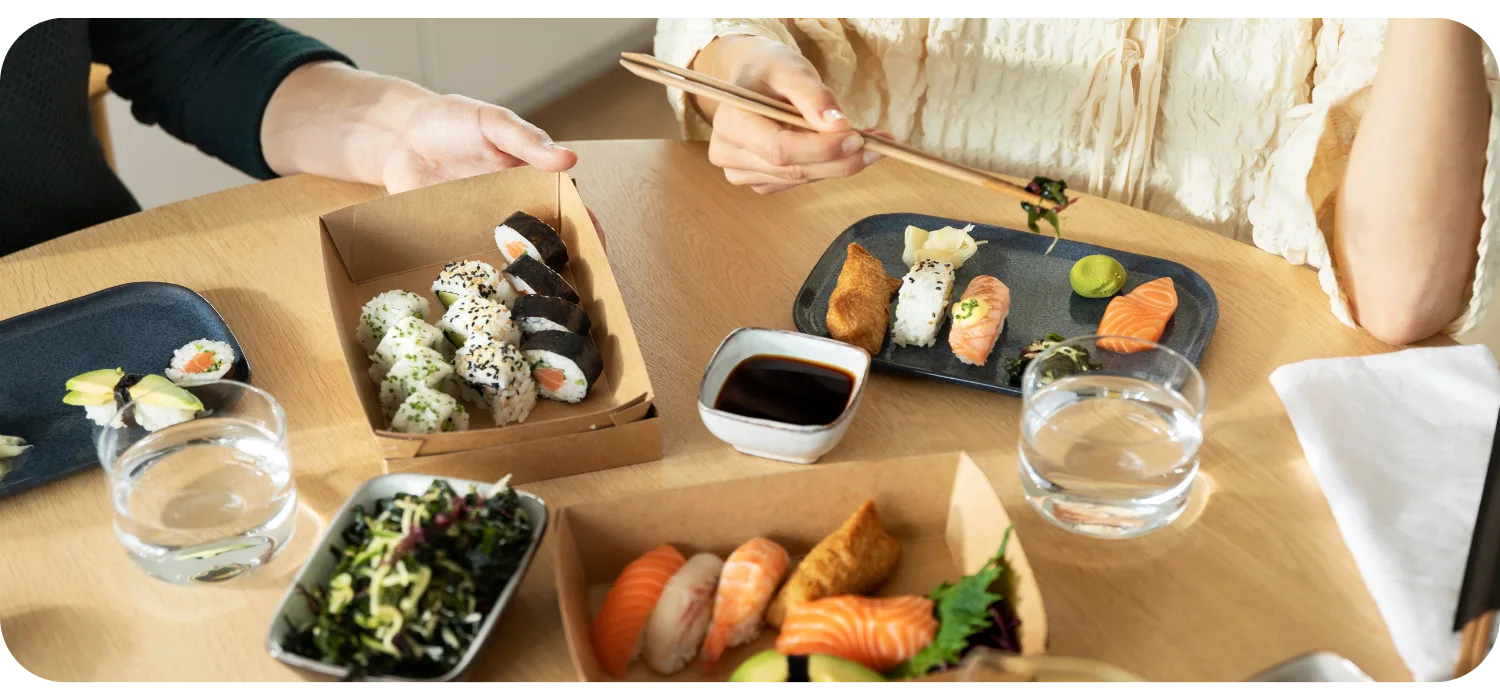
Restaurants start a virtual kitchen mainly to grow revenue without growing real estate. The shift toward delivery is structural, not seasonal: according to Statista, ghost and virtual kitchens are forecast to hold around 50% of the drive-thru and takeaway foodservice markets worldwide by 2030. For an independent restaurant, that means delivery-only brands are no longer a side bet; they are becoming a standard part of how kitchens generate revenue.
The structural reasons fall into four categories, and most owners care about more than one of them.
Lower upfront cost than opening a second venue
A new restaurant location can cost six figures before the first order is placed. A virtual kitchen launched from your existing space removes most of those costs. There is no new lease, no new fit-out, no new kitchen equipment. The investment is mostly in concept work, packaging, and a small marketing push.
Reaching customers your main brand cannot
Some customers will never order your main menu. A trattoria's regulars do not search for poke bowls. A virtual brand lets you appear in delivery-app search results for cuisines and meal types your main brand does not cover, expanding the audience without diluting it. For a worked example of how marketplace visibility shapes orders, see our guide to menu design essentials.
Filling quiet kitchen hours
Most kitchens have one or two slow windows: late afternoon, mid-morning, or early evening on weekdays. A virtual brand built around those hours, for example, a snack or breakfast concept, can turn idle capacity into incremental revenue without straining peak shifts.
Testing a new concept with low risk
A virtual kitchen is a low-risk way to validate an idea before committing to a full launch. If a virtual brand performs, you have data to back a real expansion. If it doesn't, you close it down without losing real estate or laying off staff.
How to start a virtual kitchen in 6 steps
Starting a virtual kitchen breaks down into six practical decisions. None of them requires external help if you are already operating a restaurant on a delivery platform.
Pick a concept that fits your kitchen. Choose a cuisine that uses ingredients and prep methods you already run. A burger restaurant launching a loaded fries brand is logical. A burger restaurant launching pho is not.
Build a tight, delivery-friendly menu. Keep it short, around 6 to 10 items. Stick to dishes that travel well: bowls, sandwiches, fried items that hold their texture, and sauces packaged separately.
Set up a separate brand listing. Your virtual brand needs its own name, photos, descriptions, and cuisine tags so it appears as a distinct option to customers, not a clone of your main page.
Plan the kitchen workflow. Decide who handles the new orders, where they are packed, and how tickets are kept separate from your main menu. Most failures here come from mixed tickets and unclear ownership at the pass.
Sort delivery and packaging. Use packaging that protects the dish in transit. You can use your own couriers via Self-Delivery for the new brand, or rely on Wolt Drive and marketplace courier partners to handle deliveries while you focus on prep.
Track performance and adjust. Use Analytics & Insights to see which items sell, which times of day perform, and where ratings drop. Adjust the menu and prep flow weekly in the first month.
What to think about before launching a virtual restaurant
A virtual kitchen is low-cost but not no-cost. Most of the risks are operational rather than financial. Plan for them up front, and the launch goes smoothly.
A few practical considerations:
Kitchen capacity: Adding a second brand can stretch a line that already runs hot during peak. Run the numbers on your busiest hour before adding orders.
Brand clarity: The virtual brand needs to feel different enough from your main one. If both look identical to customers, you are not reaching new audiences.
Packaging quality: Delivery-app ratings react quickly to spilled sauces and cold dishes. Test packaging with real deliveries before launch.
Marketing the new brand: A new listing on a delivery app rarely takes off on its own. Plan a launch promotion and consider in-app advertising to give it early visibility.
For early visibility, Wolt Ads sponsored listings can place your new virtual brand in front of customers actively browsing in your delivery area. For pairing the new brand with returning-customer reach, see our piece on why timing matters in retail media.
Ready to test a virtual restaurant from your existing kitchen?
A virtual kitchen turns spare capacity into a second revenue stream, often within weeks. The hardest part is choosing the right concept; the rest is operational. If your main restaurant is steady and your kitchen has room during certain hours, a virtual brand is one of the lowest-risk experiments available to an independent restaurant. See how Wolt for Merchants helps independent restaurants in Germany launch and grow new delivery brands.
FAQs
What is a virtual kitchen in simple terms?
What is the difference between a virtual kitchen and a ghost kitchen?
How do I start a virtual restaurant from an existing kitchen?
Is a virtual kitchen profitable?
Can one kitchen run multiple virtual brands?
Do I need a separate license to run a virtual restaurant in Germany?
Getting started is incredibly easy – sign up today!
Sign up now and get the most out of Wolt. Simply provide some information about your business and you're good to go.